A Practical Guide to Church Branding Strategy for Ministry Leaders
In today’s world, building a strong brand is crucial for churches to effectively communicate their message and reach more people for Christ.
Strong branding helps churches build their reputation, connect with their target audience, and make a lasting impact.
In this article, we will explore the importance of branding for churches and provide practical insights on how to develop and enhance your church brand. By the end of the article, you’ll understand how to create a compelling church brand that resonates with your congregation and attracts new members.
Table of Contents
What Is Church Branding? (And Why It Matters for Ministry Growth)

It’s essential for churches to understand what a church brand encompasses. A church brand is way more than just a logo or visual identity. Let’s look at what a church brand is and why your church should consider one.
Define Your Church’s Mission, Values, and Distinct Identity
Branding represents the essence of your ministry, including your mission, values, and unique identity within your community. It’s about crafting a compelling story and evoking emotions that connect with your target audience.
By going through a brand development process, you can create a brand that stands out and effectively communicates your message.
Why Church Branding Builds Trust and Clarity
Having a well-defined brand for your church is essential for several reasons. A strong church brand helps build trust, credibility, and recognition within your community. It enables people to easily understand your mission and vision, making it more likely for them to engage with your ministry.
A consistent and cohesive brand also helps establish a sense of identity and belonging among your church communities and differentiates your ministry from other organizations with similar missions. By investing in church branding, you create a foundation for growth, outreach, and impact.
How to Create a Church Branding Strategy (Step-by-Step)
Church branding goes beyond logos and visual elements; it encompasses the creation of a unique and consistent identity that reflects a church’s vision, values, and purpose. It’s not just about design but also requires strategic thinking.
When creating a brand for a church, there are several high-level strategic choices that need to be made. Here are some key considerations:
Step 1: Clarify Your Mission and Audience
Begin by clarifying your mission statement and identifying your target audience. Your mission statement should succinctly express your church’s purpose and guide all branding efforts.
Understanding your target audience is crucial in tailoring your message and visual elements to resonate with them. Messaging and outreach efforts need to address the specific needs and interests of the communities you aim to reach.
Ensure that every aspect, from visual elements to messaging and tone, reflects the core identity of your church. Consistency and authenticity are key to creating an effective and impactful brand that resonates with your target audience.
Step 2: Gather Brand Research and Community Insights
Explore creative ideas to make your church branding unique and memorable. Consider incorporating local elements, symbols, or landmarks that represent your community.
Engage your congregation in brainstorming sessions to gather diverse perspectives and ideas, and emphasize authenticity in your branding to connect with your target audience on a deeper level.
Explore how other churches have effectively translated their vision into visual elements and messaging. Analyze their use of colors, typography, and symbolism to gain insights for your own branding efforts. Adapt and customize these examples to suit your unique church identity.
Step 3: Build a Consistent Visual Identity
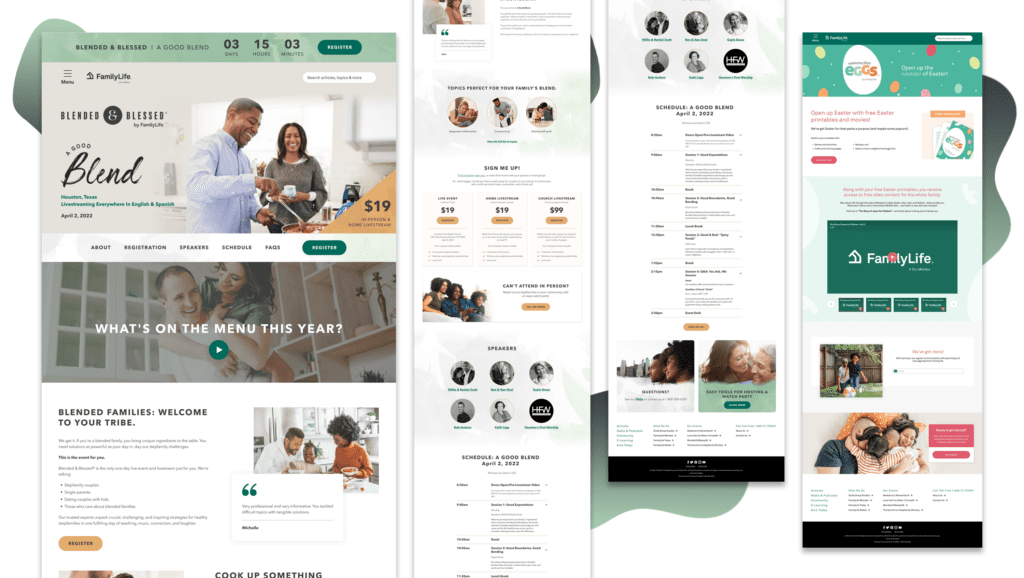
Your church brand’s visual identity includes design elements such as logos, typography, color schemes, and visual elements. The goal is to create a memorable church logo that reflects your mission and values. Working with branding companies and professional designers, like our team at Reliant Creative, can ensure you have a visually appealing and cohesive brand.
To develop a distinct graphic style that represents your church’s brand, consider typography, color schemes, and visual elements that reflect your church’s values and mission. Apply this graphic style consistently across all communication materials, both online and offline, to reinforce your brand identity and create a recognizable visual presence
How to Design a Church Logo That Reflects Your Mission
Creating a logo for your church involves careful consideration of your mission, values, and target audience. Here are practical steps to guide you:
- Define Your Church’s Identity: Identify the unique qualities and values that represent your church. This will help you create a logo that visually communicates your church’s essence.
- Choose Appropriate Design Elements: Select design elements that align with your church’s identity and appeal to your target audience. Consider the use of symbols, colors, and typography that convey the desired message and evoke the desired emotions.
- Seek Professional Assistance if Needed: If you lack design expertise, consider working with a professional designer or design agency specializing in church logo design. They can bring your vision to life and ensure a polished and impactful logo.
- Test and Refine: Before finalizing your church logo, seek feedback from your congregation and trusted individuals. Iterate and refine the design based on their input to create a logo that resonates with your community.
Step 4: Develop Clear Messaging and Voice
Consistency in messaging and tone is essential for effective church branding. To create this consistency, churches can develop 3-5 defining statements that capture the essence of their message and values. Like the visual elements above, these statements should also be used consistently in various communication channels to reinforce your brand identity.
Step 5: Create a Church Brand Guide for Consistency
A church brand guide is a comprehensive document that outlines guidelines for maintaining consistency in visual elements, messaging, and tone across all communication channels. It serves as a reference for church staff and volunteers to ensure a cohesive brand experience. Include specifications for logo usage, color palettes, typography, and tone of voice in your brand guide.
How to Apply Your Church Brand Across Every Ministry Channel
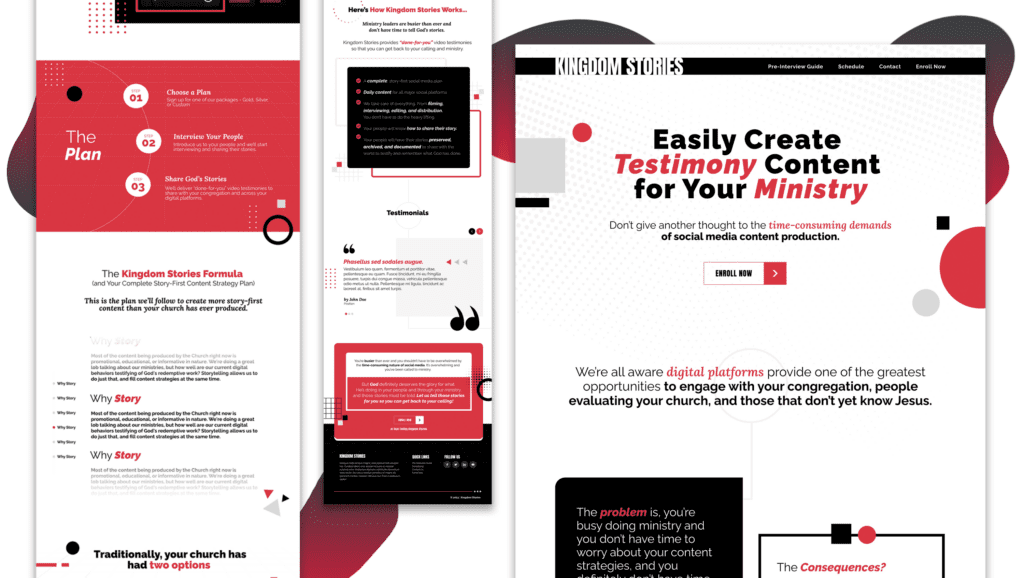
Extend your church brand to various touchpoints, including your website, social media posts, printed materials, and social events. Use your visual identity and messaging to create a cohesive and recognizable church brand experience.
Here are some things to consider when implementing your church brand:
Align Church Marketing with Your Brand Strategy
Effective church branding requires a solid foundation in marketing principles. Identify your target audience, understand their needs and preferences, and tailor your messaging to resonate with them. Utilize various marketing channels, including websites, social media, email campaigns, and community outreach events, to reach and engage your target audience.
Equip Staff and Volunteers as Brand Ambassadors
Involving church staff in the branding process is crucial. They should understand the brand’s vision, values, and messaging to effectively communicate it to the congregation and the community.
Train staff members to embody the brand through their interactions, both in-person and online. Encourage them to be brand ambassadors and share the church’s mission with enthusiasm and authenticity
Design a First-Time Visitor Experience That Reflects Your Brand
Church visitors are essential for growth and community outreach. Ensure your branding efforts extend to creating a welcoming and inclusive environment for visitors. Train greeters and volunteers to provide a warm reception, offer guidance, and answer questions.
Develop visitor materials, such as welcome packets or brochures, that reflect your church’s brand and provide relevant information for newcomers
Extend Branding Across Individual Ministries
Extend your church’s branding to individual ministries within your congregation. Each ministry can have its own unique identity while still aligning with the overall church brand.
Develop ministry-specific logos, colors, and messaging that reflect their purpose and impact. This approach creates a cohesive brand experience throughout various ministries, fostering a sense of unity and purpose within the congregation.
When and How to Rebrand a Church
Sometimes, churches may need to rebrand to better align with their evolving mission or to reach a new target audience. If you find your current brand doesn’t accurately reflect your church’s identity or resonate with your desired audience, then you might consider a rebranding.
Do these three things to rebrand your church:
- Conduct Market Research: To ensure an effective rebranding process, conduct market research to understand your target audience’s preferences, needs, and expectations. This research will guide your decision-making process and help you create a brand that connects with your audience.
- Revise Your Brand Elements: Consider revising your visual elements, messaging, and tone to reflect your church’s new direction. This may involve updating your logo, color palette, typography, and defining statements. Follow the above suggestions on branding to to this effectively and ensure consistency throughout the rebranding process.
- Communicate the Rebranding: Once your rebranding is complete, effectively communicate the changes to your congregation and the wider community. Clearly articulate the reasons for the rebrand and how it aligns with your church’s mission. Utilize various communication channels, such as your website and social media platforms, to ensure maximum reach.
Frequently Asked Questions About Church Branding
What is church branding?
Church branding is the intentional alignment of your mission, message, visual identity, and culture so people clearly understand who you are and why you exist.
Why does a church need branding?
Branding builds clarity and trust. Without it, churches send mixed signals that confuse visitors and weaken engagement.
How is church branding different from church marketing?
Branding defines who you are. Marketing communicates that identity to the right people through specific channels.
How much does church branding cost?
Costs vary based on scope. A full branding process may include strategy development, visual identity, messaging, and implementation planning.
When should a church consider rebranding?
When its mission has shifted, growth has stalled, or the current identity no longer reflects its direction.
Can small churches benefit from branding?
Yes. Clarity is not about size. Even small congregations benefit from consistent messaging and identity.
Build a Church Brand That Clarifies Your Mission
Your church already has a story. The question is whether people can see it clearly.
When your mission, messaging, and visual identity align, trust grows. Engagement deepens. Outreach becomes focused instead of scattered.
At Reliant Creative, we partner with churches to develop clear, story-driven brand strategies rooted in your mission. From brand development to website design and digital execution, we help ministries communicate with clarity and confidence.
For nonprofit and ministry organizations beyond the local church, our guide to nonprofit branding walks through the full brand development process from identity and positioning through messaging, visual identity, and brand experience.
If you’re ready to strengthen your church’s brand, explore our Messaging & Strategy services and see how we serve churches and disciple-making ministries.