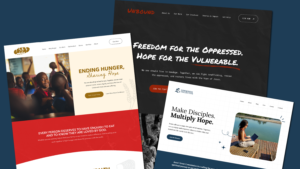
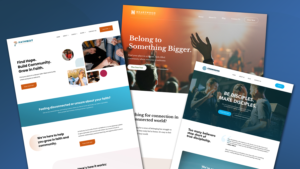
Prepare your ministry now to make a meaningful impact during National Poverty in America Awareness Month through strategic, story-driven communication.
Why Ministries Should Start Planning for Poverty Awareness Month Now
January marks National Poverty in America Awareness Month, a time when ministries, nonprofits, and faith-driven organizations can raise their voices on behalf of the vulnerable. If your current communications aren’t producing the results you hoped for, it might be time to rethink the foundation. This season offers a chance to apply principles found in this deeper look at why nonprofit marketing isn’t resonating—and how storytelling can help. For Christian leaders seeking to illuminate the realities of poverty while honoring the dignity of those they serve, this month offers a powerful opportunity to inspire action through compassionate, strategic storytelling.
But how do you cut through the digital noise with marketing that’s both theologically faithful and practically effective?
Table of Contents
Why Poverty Awareness Needs a Ministry-Specific Approach
Secular campaigns often rely on urgency and shock to compel action. But ministries are called to something deeper: attuned storytelling that reflects the image of God in every individual and cultivates long-term engagement, not just one-time donations.
For ministries practicing integral mission—pursuing both spiritual and material transformation—this means your messaging must reflect the whole gospel. You’re not just raising awareness about need; you’re inviting people into a redemptive vision of restored relationships, communities, and systems.
Your audience isn’t just looking for facts—they’re longing for meaning. This means:
- Avoiding pity-based messaging and centering stories around dignity and agency
- Reframing impact metrics with stories that reflect transformation
- Leading with hope, not just need
As Henri Nouwen reminds us, “When we honestly ask ourselves which person in our lives mean the most to us, we often find that it is those who, instead of giving much advice, solutions, or cures, have chosen rather to share our pain.” The same is true in ministry communication—proximity and empathy matter more than polished appeals.
How to Prepare Your Poverty Awareness Campaign
Whether you’re a local church, international nonprofit, or community development ministry, here are steps to strategically plan your Poverty Awareness Month campaign:
1. Clarify Your Message Around Mission, Not Metrics
Instead of leading with how many people you’ve helped, anchor your messaging in the Gospel calling to justice, compassion, and restoration. Use Scripture (like Isaiah 58 or James 1:27) to frame your efforts in theological truth.
Explore our guide to story-driven ministry messaging to get started.
2. Build a Toolkit of Story-First Assets
Rather than starting with graphics or slogans, begin by collecting testimonies and stories from those impacted by your work. Then build:
- Social media graphics centered around real quotes
- Short videos or reels capturing transformation
- Website banners and landing pages with a clear, story-based call to action
3. Empower Your Community to Join the Story
Your audience wants to feel part of the solution, not just a source of funding. Equip them to:
- Share your content with ready-to-post assets
- Host small group discussions around poverty and justice
- Give sacrificially with a deeper understanding of your mission
Don’t Just Run a Campaign—Build a Culture
It’s tempting to treat National Poverty in America Awareness Month like a one-time event—a window for donor outreach or a campaign we revisit once a year. But effective poverty-alleviation ministries don’t just run seasonal campaigns—they cultivate a culture of story.
This means developing internal systems and rhythms that prioritize storytelling year-round. Not as an add-on to your communications, but as part of your organizational DNA. When this is in place, Poverty Awareness Month becomes another opportunity—not the only opportunity—to connect with your audience in a meaningful way.
A culture of story-first marketing:
- Avoids the noise of one-size-fits-all campaigns
- Differentiates your ministry in a sea of January appeals
- Builds relational trust that lasts beyond the giving cycle
The truth is, many ministries are unknowingly competing for donor attention around the same seasonal rhythms—Giving Tuesday, year-end, and awareness months. But what if your content didn’t feel like just another ask? What if it felt like a shared story unfolding?
Examples of Ministry-Led Poverty Campaigns
Ministries that lead well during National Poverty in America Awareness Month often:
- Host storytelling nights that center voices from the margins
- Use each week of January to focus on a theme (e.g., housing, hunger, education)
- Partner with local organizations for prayer walks or supply drives
- Pair their digital content with Scripture, reflection, and prayer prompts
These practices go beyond awareness—they build kingdom-minded culture grounded in wholistic development principles.
Why Strategic Storytelling Is Essential This January
Ministries working to alleviate poverty need more than statistics. They need story.
Storytelling isn’t just a tactic. It’s a spiritual discipline—a way of seeing, honoring, and testifying to the work of God among those often unseen. For ministries pursuing sustainability, empowerment, and systems change, story-first communication reinforces your distinct approach to poverty alleviation.
When you center your Poverty Awareness Month around story-first strategy, you:
- Make your mission memorable
- Invite deeper donor connection
- Elevate voices instead of exploiting them
Want help shaping your story for the season ahead? Our Major Donor Coaching service helps ministries cultivate relationships rooted in shared values and story—not just giving cycles.
Reliant Creative’s poverty ministry marketing services are designed to help you build campaigns that are both strategic and sacred—honoring the image of God in every person and every pixel.
FAQ
What is National Poverty in America Awareness Month and why should ministries prepare early?
National Poverty in America Awareness Month happens each January and creates a shared moment when churches and nonprofits can highlight poverty-related issues. Preparing early allows ministries to gather stories, develop a strategic communication plan, and create meaningful engagement opportunities instead of rushing a last-minute campaign.
Why should ministries avoid pity-based messaging when talking about poverty?
Pity-based messaging can unintentionally reduce people to problems instead of honoring their dignity and agency. Story-first communication helps ministries reflect the image of God in every person and invite supporters into a redemptive vision rather than a crisis-only response.
How can ministries use storytelling to communicate about poverty more effectively?
Ministries can collect testimonies, share transformation stories, and center real voices from their communities. Story-first assets—like social media graphics, videos, and website content—help supporters connect emotionally and spiritually with the mission.
What should a poverty awareness campaign toolkit include?
A strong toolkit often includes stories and testimonies, social media graphics with real quotes, short videos or reels, and a clear website landing page with a story-driven call to action. These resources help maintain consistency and clarity across platforms.
How can a ministry invite supporters to participate beyond donating?
Supporters can be equipped to share content, host small group discussions, participate in prayer walks, or engage in local service opportunities. Giving people meaningful ways to participate builds long-term engagement and community ownership.
How can ministries turn a seasonal campaign into a year-round culture of storytelling?
By building internal rhythms for gathering stories and prioritizing storytelling in communication throughout the year. When storytelling becomes part of the organization’s culture, awareness months become opportunities to amplify ongoing work rather than the only time the message is shared.
Ready to Elevate Your Poverty Awareness Campaign?
Don’t wait until January to begin planning. Start now by:
- Gathering stories and testimonies from those you serve to prepare content in advance
- Developing a calendar of key dates, posts, and calls to action
- Partnering with a team that understands ministry nuance and the theology of integral mission
Book a free consultation with Reliant Creative to prepare a campaign that cuts through the noise and carries the light.
Explore more: Our work with poverty alleviation ministries.