A practical church growth strategy rooted in testimony, belonging, and long-term engagement
In an era dominated by rapid digital communication and fleeting attention spans, churches face the critical challenge of maintaining deep and meaningful connections with their congregations. Traditional marketing techniques can bring people through the doors, but they often lack the authentic connection needed for long-term, sustainable church growth. Storytelling—an approach rooted in biblical tradition—emerges as a powerful strategy for fostering genuine engagement and building a thriving church community. This article will unpack why storytelling is essential for long-term church growth, how it cultivates authentic relationships, and practical ways to incorporate storytelling into your ministry.
Table of Contents
Why Storytelling Is Essential for Sustainable Church Growth
From the beginning of time, stories have shaped human understanding and relationships. The Bible itself is a narrative—a rich collection of stories that convey God’s love, His promises, and the journey of His people. Jesus frequently used parables to teach profound truths, reaching the hearts of His listeners with relatable and impactful tales.
For pastors, Christian ministry leaders, and church media directors, this storytelling tradition isn’t just a relic of the past. It’s a dynamic and transformative tool for today’s faith communities. When churches embrace storytelling, they shift from simply transmitting information to creating experiences that resonate, inspire, and invite participation.
Church Marketing vs. Story-Driven Ministry: What Actually Builds Belonging?
Traditional church marketing methods often center on events, programs, and data-driven strategies. While these approaches have their place, they can sometimes come off as impersonal or transactional. Attendees may feel like they’re part of a campaign rather than a community.
Storytelling changes this paradigm. It’s an invitation into shared experiences and collective memory. When someone hears a testimony or a story about a moment of faith and transformation, it stirs something deeper than any flyer or digital ad could achieve. According to studies, people are significantly more likely to remember stories over raw facts. This emotional connection fosters trust, belonging, and long-term commitment.
3 Storytelling Principles Every Church Leader Should Practice
1. Authenticity Builds Trust: Stories rooted in genuine experience have the power to build trust within the church. Testimonies of faith, personal challenges, and breakthroughs demonstrate vulnerability, reinforcing that the church is a place of real, imperfect people seeking God. This transparency encourages others to share their own journeys, enriching the community.
2. Relatability Encourages Connection: When individuals see themselves reflected in a story, whether it’s a story of overcoming adversity or finding a renewed sense of purpose, they feel connected. This sense of identification motivates people to join, participate, and contribute to the church’s mission.
3. Emotional Engagement Inspires Action: Emotion is a powerful motivator. Stories that evoke joy, empathy, hope, or inspiration prompt people to act—whether that’s volunteering, giving, or attending regularly. Unlike generic calls to action, a story-backed appeal resonates on a personal level.
Practical Ways to Use Testimonies and Stories in Your Church
1. Highlight Testimonies During Services: Set aside dedicated time for members to share their personal faith journeys. These stories can become a source of encouragement for the entire congregation and emphasize the real-life impact of faith.
2. Develop Engaging Video Content: Videos are an effective way to extend your storytelling reach. Create short, compelling videos featuring stories of community involvement, mission trips, or personal transformations. These can be shared on social media, your church’s website, and during services.

3. Incorporate Stories into Sermons: Pastors can weave stories into their sermons to illustrate biblical teachings and connect Scripture to real-life experiences. This makes the message more relatable and impactful.
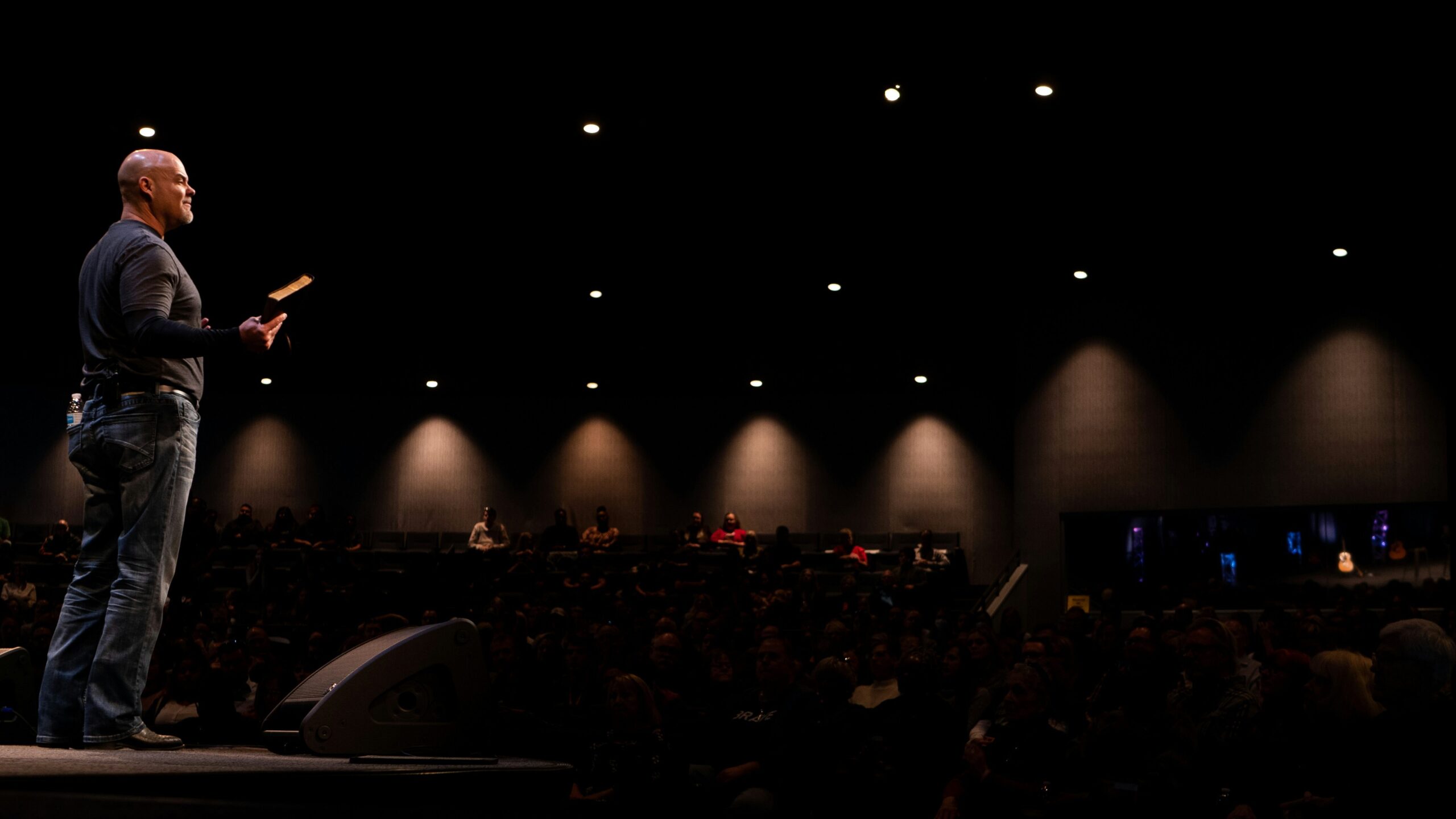
4. Organize Story Nights: Plan events focused solely on storytelling—open mic nights, small group meetings, or special services where members share their personal stories of faith. These events build bonds within the community and offer newcomers a window into the church’s culture.
5. Use Digital Platforms: Your church’s website, social media, and email newsletters are perfect outlets for sharing stories. Regularly feature member stories, mission updates, and community impact articles to keep your online community engaged.

How Storytelling Strengthens Church Retention and Member Engagement
Storytelling is not just a short-term strategy—it’s an investment in your church’s future. A congregation built on shared experiences and transparent communication is one that will naturally grow. As members hear and share stories, they develop a deeper attachment to the community and are more likely to invite others, contribute their time and resources, and commit to the church’s mission.
Churches that excel in storytelling create a narrative that extends beyond Sunday services. They foster an environment where stories become a living testament to the power of God’s work. This approach doesn’t only keep current members engaged; it serves as an invitation for newcomers seeking a place where they can be known and heard.
At Reliant Creative, we understand the importance of storytelling for church growth. As a 501(c)3 creative agency focused on helping Christian nonprofits and churches, we bring our deep understanding of ministry to every project. We know the challenges you face, and we’re here to help you navigate them by building connections through compelling stories.

FAQs
How does storytelling help church growth?
Storytelling helps church growth by building emotional connection, trust, and belonging. When people hear real testimonies of transformation, they see evidence of God’s work and feel invited into the story themselves.
What is the difference between church marketing and storytelling?
Church marketing promotes events and programs. Storytelling reveals life change and mission impact. Marketing attracts attention; storytelling builds community.
How can pastors use storytelling in sermons?
Pastors can weave testimonies, biblical narrative, and real-life illustrations into sermons to connect doctrine with lived experience. Stories make Scripture memorable and personal.
What are simple ways to collect church testimonies?
Churches can:
– Record short video interviews
– Host testimony nights
– Invite written stories through email
– Highlight stories during services
Start small. Focus on authenticity, not production quality.
Does storytelling increase church engagement?
Yes. Churches that consistently share stories of transformation often see stronger volunteer participation, deeper discipleship, and increased member retention.
How can a church improve its storytelling strategy?
Churches can clarify their mission narrative, document testimonies consistently, integrate story into digital platforms, and align communication with long-term discipleship goals.
Build a Story-Driven Church Growth Strategy
If your church is working hard but struggling to build lasting engagement, the issue may not be effort. It may be clarity.
Storytelling is not a campaign. It is not a seasonal push. It is a rhythm.
Churches that grow sustainably build systems that consistently share transformation — in sermons, in video, in email, on social media, and on their website. That kind of consistency requires more than good intentions. It requires focus, structure, and ongoing execution.
That is why we created Marketing as a Service (MAAS).
Through MAAS, we partner with churches and Christian nonprofits to provide ongoing strategy, content creation, SEO, digital presence management, and story-driven messaging support. Instead of hiring multiple vendors or stretching your internal team thin, you gain a consistent marketing partner who understands ministry and builds with you over time.
If you are ready to move from sporadic promotion to a sustainable communication strategy, explore our Marketing as a Service partnership.