A Practical Digital Evangelism Framework for Ministry Leaders
Social media evangelism for churches is no longer optional. It is part of the modern mission field.
Church leaders are asking a practical question: How do we share the gospel faithfully in digital spaces without losing depth, clarity, or discipleship? Social platforms now function as front doors to spiritual conversations. The opportunity is real. So is the responsibility.
Jesus sent His disciples into cities and villages. Today, many of those “villages” exist in digital form. The apostle Paul stood in public forums to proclaim Christ. Our generation stands in digital forums. The medium has changed. The mission has not.
The apostle Paul writes, “I have become all things to all people, that by all means I might save some” (1 Corinthians 9:22, ESV). Paul adjusted his method without compromising his message. Digital platforms are another context in which faithfulness and adaptability must meet.
In this guide, you’ll learn how to build a church social media marketing strategy rooted in story, engagement, and real-world discipleship. If your ministry wants to move from scattered posting to intentional digital evangelism, this framework will help you build with clarity and purpose.
Table of Contents
Why Social Media Is a Mission Field for Churches and Ministries

Social media sites like Facebook, Twitter, and Instagram have billions of people browsing on a daily basis. According to data from Pew Research Center, the majority of adults now engage daily on at least one social platform. With such a vast audience, these platforms offer a unique mission field for spreading the message of hope and eternal life. By crafting inspiring quotes, picture quotes, and even video posts, you can reach a wider audience than ever before.
Effective social media evangelism for churches requires more than posting Bible verses or event graphics. It requires a clear strategy that connects story, search intent, and discipleship pathways.
As a general rule, one of the most important questions you will answer as you plan your social content strategies is, “How do we intercept the searches?” If you can answer this question effectively, you’ll be on your way to a strong content strategy. This question will serve as a guardrail for the content you produce and how you approach meeting people in need online.
A Step-by-Step Social Media Evangelism Strategy for Churches
Identify the Questions People Are Already Asking
Ministry leaders often ask how to “intercept the searches.” That question is wise. Before you post, ask: What spiritual questions are people already typing into Google or asking in direct messages? Are they searching about suffering, purpose, anxiety, doubt, or relationships?
Tools like Google Trends can help you see what questions are gaining traction. But more importantly, listen to the questions already surfacing inside your congregation and community. Effective social media evangelism for churches begins with attention. When you respond to real questions, your content becomes pastoral rather than promotional.
Sharing the gospel strategically on social media goes beyond random posts and images. To be effective, one must understand that storytelling is crucial. The gospel’s power resonates through lived experiences and testimonies. Here’s an approach to employ when sharing the gospel on social platforms:
Lead With Testimony: Use Story-Driven Content to Share the Gospel
Begin with real-life testimonies and stories. Use the medium of video to share powerful narratives of transformation. These personal stories not only capture attention but evoke emotions, making the message more memorable.
Build Trust Through Meaningful Online Engagement
Dallas Willard often reminded leaders that we cannot assume transformation without intention. Attention precedes formation. If we are inattentive online, we should not expect spiritual fruit.
After sharing stories, engage with the audience that interacts with your content. Respond to comments, answer questions, and share supplementary educational content when relevant. This builds a sense of community and fosters genuine interactions.
A 2019 Barna study on digital evangelism found that practicing Christians who regularly share their faith online prioritize listening and relationship-building over confrontation, especially when engaging younger generations who value authenticity and dialogue.
The Lausanne Movement similarly emphasizes that evangelism in modern contexts must integrate proclamation with presence and listening.
Move From Followers to Digital Discipleship Communities
After building an initial connection, guide these engagements towards forming a digital community. Platforms like Facebook Groups or Discord can serve as hubs for deeper discussions and bible study sessions.

Bridge Online Evangelism to In-Person Discipleship
The ultimate goal is to move from online interactions to real-world connections. Organize events, gatherings, or study groups to meet in person, fostering stronger bonds and disciple-making opportunities.
Practical Example: Using Instagram to Share Transformation Stories
Instagram is inherently visual and offers numerous avenues to share the gospel. However, instead of just posting a quote or a snippet from a song, consider sharing a transformation story through a series of posts.
These stories, accompanied by visuals, have the power to resonate deeply with viewers. Furthermore, Instagram’s Stories and Highlights feature can be utilized to chronologically document and share testimonies, making them easily accessible for new followers.
Make Your Entire Feed a Living Testimony
It’s essential to use social media not just as a tool for direct evangelism but as a platform to showcase the transformative power of the gospel. Share anecdotes of how the gospel has positively impacted your life and those around you. Let your account be a testament to the gospel’s power, where every post, image, or video tells a story of faith, hope, and transformation.
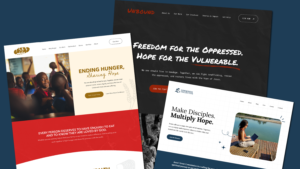
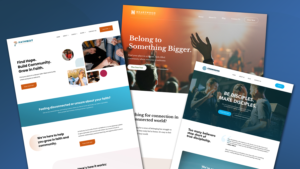
At Reliant Creative, we emphasize storytelling for ministry, highlighting the undeniable impact of narratives in gospel sharing. Stories can help influence and change lives, making them a potent tool in digital evangelism.
Addressing Common Concerns About Digital Evangelism
Some pastors hesitate to invest in social media because it feels performative or shallow. That concern is understandable. The solution is not withdrawal, but clarity. When digital engagement serves discipleship rather than ego, it becomes an extension of pastoral presence.
Social media should never replace embodied church life. It should support it. Used wisely, it creates on-ramps, not substitutes.
Best Practices for Church Social Media Evangelism
Knowing how to share the gospel on social media is different than doing it. Following are some tips on how to do social media evangelism effectively:
- Be Genuine: Your target audience can sense authenticity. Be real, share your struggles and victories, and remember to engage with your followers as you would with real-life friends.
- Share Hope, Not Just Quotes: While Christian quotes and inspiring verses are great, sharing personal testimonies or stories can resonate more with your online community.
- Engage: Respond to comments, direct message those who have questions, and foster an environment of Christian fellowship.
- Stay Updated: Social media evolves constantly. Stay updated with the latest social media tips and trends to ensure your message reaches as many people as possible.
The goal of social media evangelism for churches is not platform growth, but gospel presence that leads to disciple-making.
Frequently Asked Questions About Social Media Evangelism
How can churches effectively use social media for evangelism?
Churches should move beyond posting announcements and instead share testimony-driven content, answer real spiritual questions, and guide online engagement toward discipleship pathways.
What is the best social media platform for spreading the gospel?
There is no single best platform. Churches should focus on where their community is most active, whether that is Instagram, Facebook, YouTube, or emerging platforms.
How often should a church post on social media?
Consistency matters more than volume. A sustainable weekly rhythm built around stories, Scripture reflection, and community engagement is more effective than daily scattered posts.
How do you measure success in social media evangelism?
Look beyond likes. Track meaningful engagement, direct messages, prayer requests, event attendance, and discipleship movement.
How can online evangelism lead to real discipleship?
Online engagement should intentionally point toward small groups, Bible studies, events, and in-person relationships.
Should churches invest in paid social media advertising for evangelism?
Yes, when done strategically. Paid promotion can help intercept spiritual searches and reach people beyond your immediate network.
Build a Strategy, Not Just a Social Feed
Social media is not the mission. It is a tool.
When churches treat it casually, it becomes noise. When they approach it strategically, it becomes a bridge for gospel proclamation and discipleship.
Most churches are posting. Few have a strategy. If your team needs clarity around digital evangelism, SEO, or narrative alignment, we can help.
Reliant Creative partners with churches and ministries to develop narrative-aligned SEO, content strategy, and digital systems that move people from scrolling to spiritual growth.
Explore our work with Churches and Christian Nonprofits, or schedule a conversation to clarify your digital evangelism strategy.